Navigating Iron Needs: A Comprehensive Guide to Iron Sources for Vegetarians
For individuals following a vegetarian diet, a common concern often revolves around meeting daily nutritional requirements, particularly when it comes to iron. While it's true that the iron found in plant-based foods (non-heme iron) is absorbed differently than the heme iron found in animal products, it is absolutely possible to maintain optimal iron levels through a well-planned vegetarian diet. This comprehensive guide will dispel myths, highlight excellent iron sources for vegetarians, and provide actionable strategies to ensure you're getting enough of this vital mineral. Iron is essential for numerous bodily functions, including oxygen transport in the blood, energy production, and immune system health. A deficiency can lead to fatigue, weakness, poor concentration, and a weakened immune response. By understanding the best plant-based sources and enhancing absorption, vegetarians can confidently meet their iron needs and thrive.Understanding Iron: Heme vs. Non-Heme and Vegetarian Needs
Before diving into specific food sources, it’s crucial to understand the two main types of dietary iron:- Heme Iron: Found exclusively in animal-based foods like meat, poultry, and fish. It is highly bioavailable, meaning the body absorbs it easily.
- Non-Heme Iron: Found in plant-based foods and fortified products. Its absorption is influenced by various dietary factors, making it less readily absorbed than heme iron.
Top Plant-Based Iron Sources for Vegetarians
The plant kingdom offers a wealth of nutrient-dense options rich in iron. Integrating a variety of these foods into your daily meals is key to ensuring adequate intake. Here are some of the best iron sources for vegetarians:Legumes
Legumes are powerhouse foods for vegetarians, providing not only iron but also protein and fiber. Examples include:
- Lentils: A single cup of cooked lentils provides around 6.6 mg of iron, making them an excellent choice for soups, stews, and salads.
- Beans: Black beans, kidney beans, chickpeas (garbanzo beans), and cannellini beans are all fantastic. One cup of cooked black beans offers about 3.6 mg of iron.
- Peas: Green peas are also a good source, with about 2.5 mg per cup.
Dark Leafy Greens
While often associated with calcium, many dark leafy greens are also good sources of non-heme iron. It's important to note that some contain oxalates, which can inhibit iron absorption, but cooking can help reduce this effect.
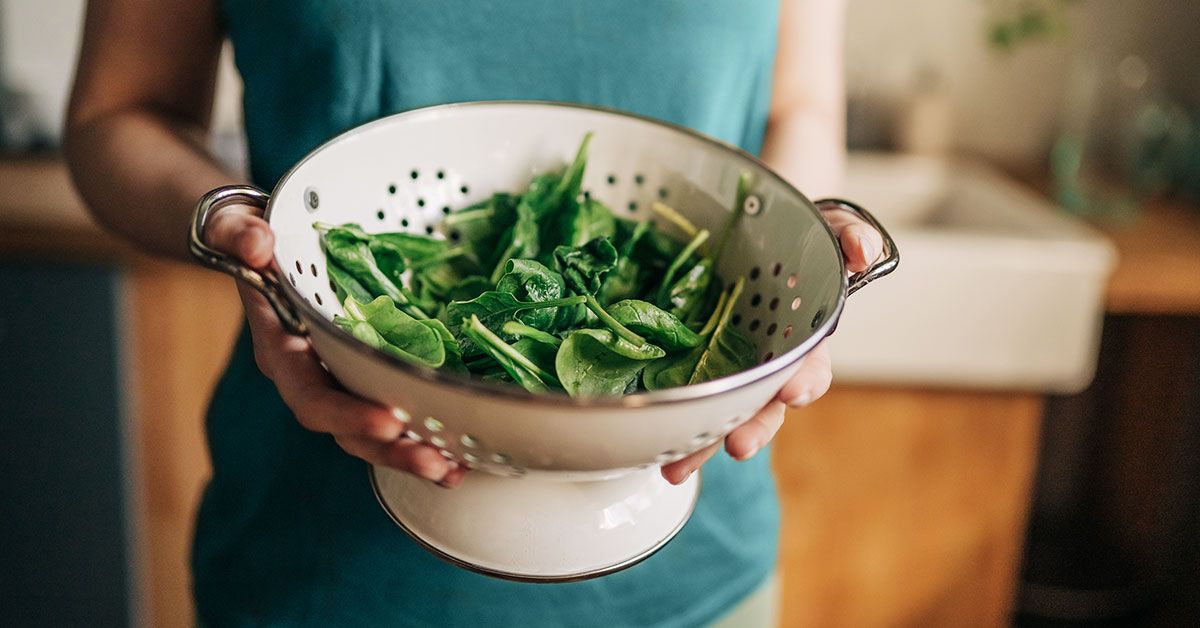
- Spinach: A cooked cup contains approximately 6.4 mg of iron.
- Kale: Offers around 1 mg per cooked cup, along with a host of other vitamins and minerals.
- Swiss Chard: Provides about 4 mg per cooked cup.
Nuts and Seeds
These small but mighty foods are packed with iron, healthy fats, and protein.
- Pumpkin Seeds: Rich in iron, with about 4.2 mg per quarter cup. Great as a snack or sprinkled on salads.
- Sesame Seeds (and Tahini): A quarter cup of sesame seeds contains roughly 4.1 mg of iron. Tahini, a paste made from sesame seeds, is also an excellent source.
- Cashews: Offer about 1.9 mg per quarter cup.
Whole Grains and Fortified Foods
Many grains and cereals are naturally iron-rich or fortified to boost their nutritional profile.
- Oats: A cup of cooked oats can provide around 3.4 mg of iron.
- Quinoa: This complete protein also offers about 2.8 mg of iron per cooked cup.
- Fortified Cereals: Many breakfast cereals are fortified with significant amounts of iron. Always check the nutrition label.
Tofu and Tempeh
Soy products are versatile and excellent sources of iron for vegetarians.
- Tofu: Half a cup of firm tofu can provide about 3 mg of iron.
- Tempeh: Similar to tofu, tempeh offers around 4.5 mg of iron per half cup.
Dried Fruits
While high in natural sugars, dried fruits can be a concentrated source of iron when consumed in moderation.
- Apricots: Half a cup of dried apricots can offer around 3.4 mg of iron.
- Raisins: A quarter cup provides about 0.8 mg.
Maximizing Iron Absorption: Tips and Tricks
Simply consuming iron-rich foods isn't always enough; understanding how to optimize absorption is equally vital for vegetarians. The bioavailability of non-heme iron can be significantly enhanced or inhibited by other components in your meal.The Power of Vitamin C
Perhaps the most crucial tip for vegetarians is to pair iron-rich foods with vitamin C-rich foods. Vitamin C (ascorbic acid) dramatically increases the absorption of non-heme iron.
- Citrus Fruits: Oranges, grapefruits, lemons.
- Bell Peppers: Especially red and yellow varieties.
- Berries: Strawberries, blueberries, raspberries.
- Tomatoes: Excellent in sauces and salads.
- Broccoli: A great source of both iron and vitamin C.
Practical tip: Add bell peppers to your lentil soup, squeeze lemon juice over spinach salad, or enjoy a side of strawberries with your oatmeal.
Understanding and Minimizing Inhibitors
Certain compounds can hinder non-heme iron absorption. Being aware of them allows you to adjust your meal timing and preparation methods:
- Phytates: Found in grains, legumes, and nuts. Soaking, sprouting, and fermenting these foods can significantly reduce their phytate content, thereby increasing iron absorption.
- Tannins: Present in tea and coffee. Avoid consuming tea or coffee with iron-rich meals, or at least wait an hour or two before or after eating.
- Calcium: While essential for health, calcium can inhibit iron absorption. If you take calcium supplements, consider taking them at a different time than your main iron-rich meals. However, dietary calcium from foods generally has a less significant impact than supplements.
- Oxalates: Found in foods like spinach, beet greens, and chocolate. Cooking these foods can reduce oxalate levels.
Other Absorption Boosters
- Cooking in Cast Iron: Cooking acidic foods (like tomato sauce) in a cast-iron skillet can leach small amounts of iron into your food, providing an extra boost.
- Fermented Foods: Fermentation processes (e.g., sourdough bread, tempeh, miso) can break down phytates and enhance nutrient bioavailability.
For more advanced strategies on meal planning and leveraging food synergies to maximize nutrient intake, dive into iron sources for vegetarians - Article 3.
Meal Planning and Practical Advice for Optimal Iron Intake
Integrating these principles into your daily routine doesn't have to be complicated. Here are some practical tips for meal planning as a vegetarian to ensure optimal iron intake:- Include an Iron Source at Every Meal: Make it a habit to add legumes, greens, nuts, or fortified grains to breakfast, lunch, and dinner.
- Always Pair with Vitamin C: This is arguably the most impactful strategy. Think beyond just oranges; bell peppers, broccoli, and tomatoes are your friends.
- Prioritize Soaking and Sprouting: For dried beans and lentils, make soaking and sprouting a regular practice to reduce phytates and improve nutrient absorption.
- Limit Tea/Coffee with Meals: If you enjoy tea or coffee, try to consume them between meals rather than alongside your iron-rich dishes.
- Listen to Your Body: Pay attention to signs of low iron (fatigue, pale skin, shortness of breath). If you suspect a deficiency, consult with a healthcare professional or a registered dietitian. They can provide personalized advice and assess if supplementation is necessary.
- Explore Fortified Products: Incorporate fortified plant milks, cereals, and other products into your diet to reliably boost iron intake.
- Breakfast: Oatmeal with pumpkin seeds, a sprinkle of fortified cereal, and a side of strawberries.
- Lunch: Lentil soup with a squeeze of lemon juice, served with whole-grain bread and a side salad featuring bell peppers.
- Dinner: Tofu and spinach stir-fry with broccoli and brown rice.
- Snacks: A handful of cashews, dried apricots, or a small fruit smoothie.
